This section brings together all selected writings on contemporary art, exhibition practices, and Indigenous representation. The texts are also organized thematically and can be accessed through the menu under the following sections: “Accessibility”, “Art Exhibitions”, “My Art and Curation”, “Conciliation”, “Cultural Appropriation”, “Indigenous Art, Display, and Criticism”, and “Other Writing”.
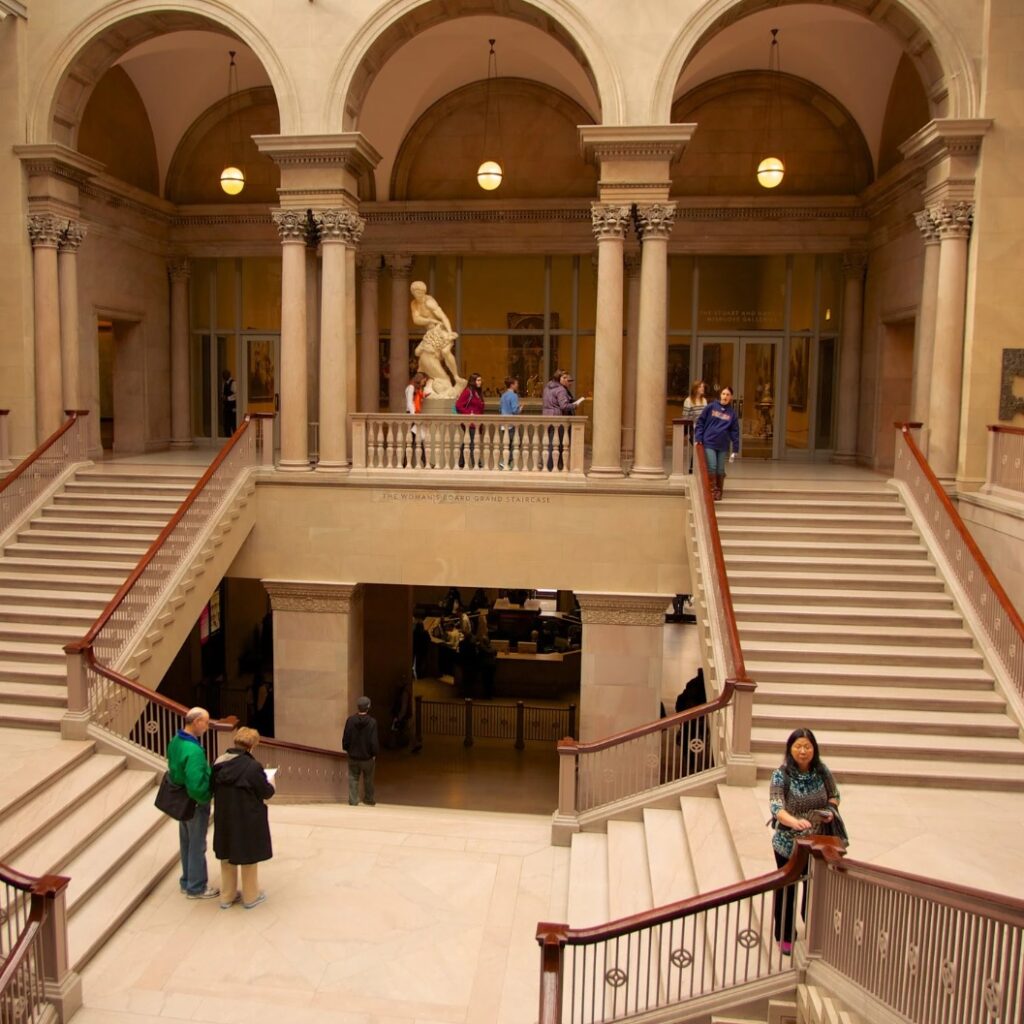
Aesthetic distance dissolved into carnality on a humid summer afternoon at the Art Institute of Chicago. I was seized at first sight by an urge to press my lips to those full, slightly parted ones. And, once the security guard ambled out of sight, I did. Of course, I wanted to kiss the beautiful person represented by the sculpture, but—for my teen-aged self, chaste by introversion but eager by design—this cool intermediary would do. But it didn’t. Knowing, and yet not fully feeling it until I tried it, the result of my Pygmalion performance was inevitable—erotic disappointment, a sense of bathetic absurdity, but also the excitement of breaking a rule.
Marginalized by Design
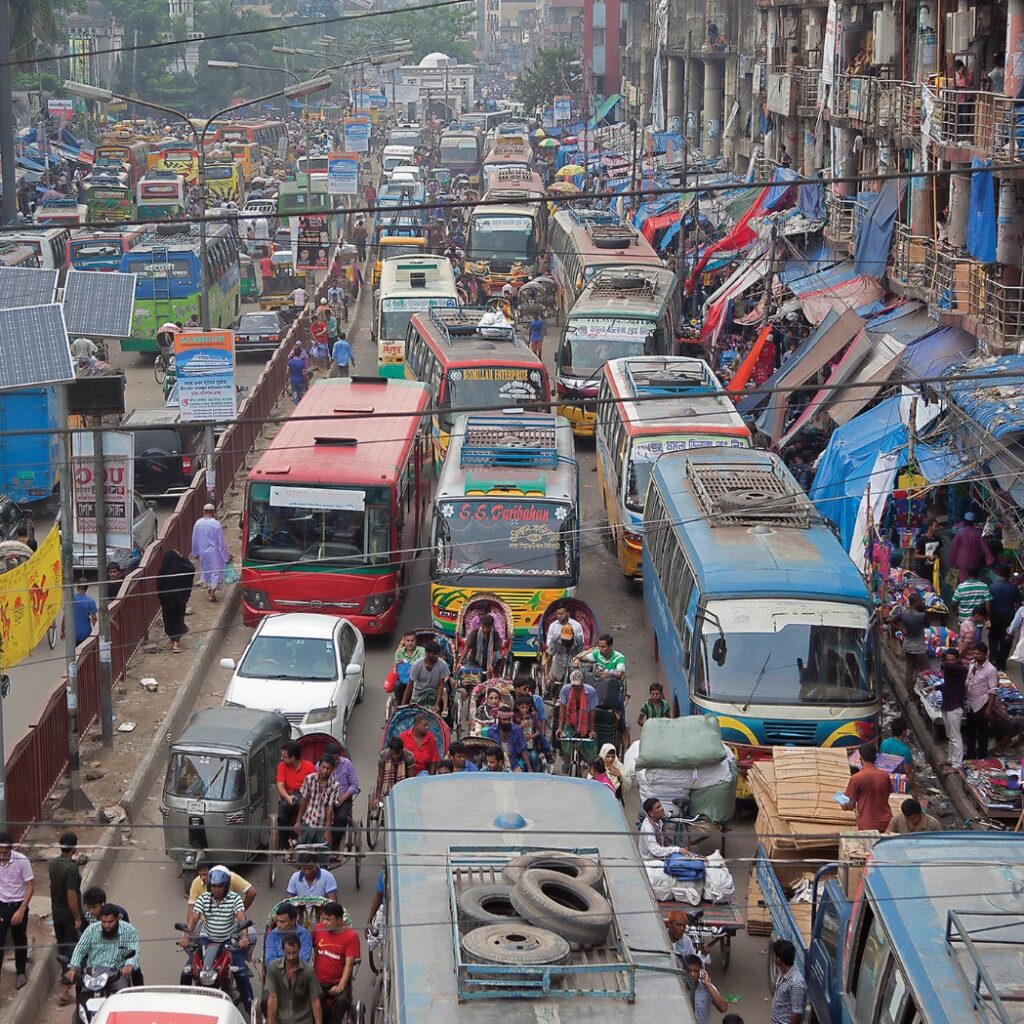
It’s been four years since I experienced the exhilarating yet numbing anarchy of Dhaka traffic. Picture streets dense with transport trucks, vans, cars, pedaled and motorized rickshaws threading a crazy quilt stretching to the blurred edges of one of the worlds’ largest, most populous, and polluted cities. Vehicles oscillate between aggression and diplomacy, their electric-quick negotiations produce a flowing tangle. Smell the sub-tropical humidity infused with sweat, cooking odors, and the acrid emissions of industry. Hear the horns, engines, and shouts.
Dhaka Traffic: Disabled by Design—an Allegory