DAVID GARNEAU

My Art and Curation

This section brings together all selected writings on contemporary art, exhibition practices, and Indigenous representation. The texts are also organized thematically and can be accessed through the menu under the following sections: “Accessibility”, “Art Exhibitions”, “My Art and Curation”, “Conciliation”, “Cultural Appropriation”, “Indigenous Art, Display, and Criticism”, and “Other Writing”.
Roadkill and the Space of the Ditch: An Artist’s Meditation

Roadkill and the Space of the Ditch: An Artist’s Meditation

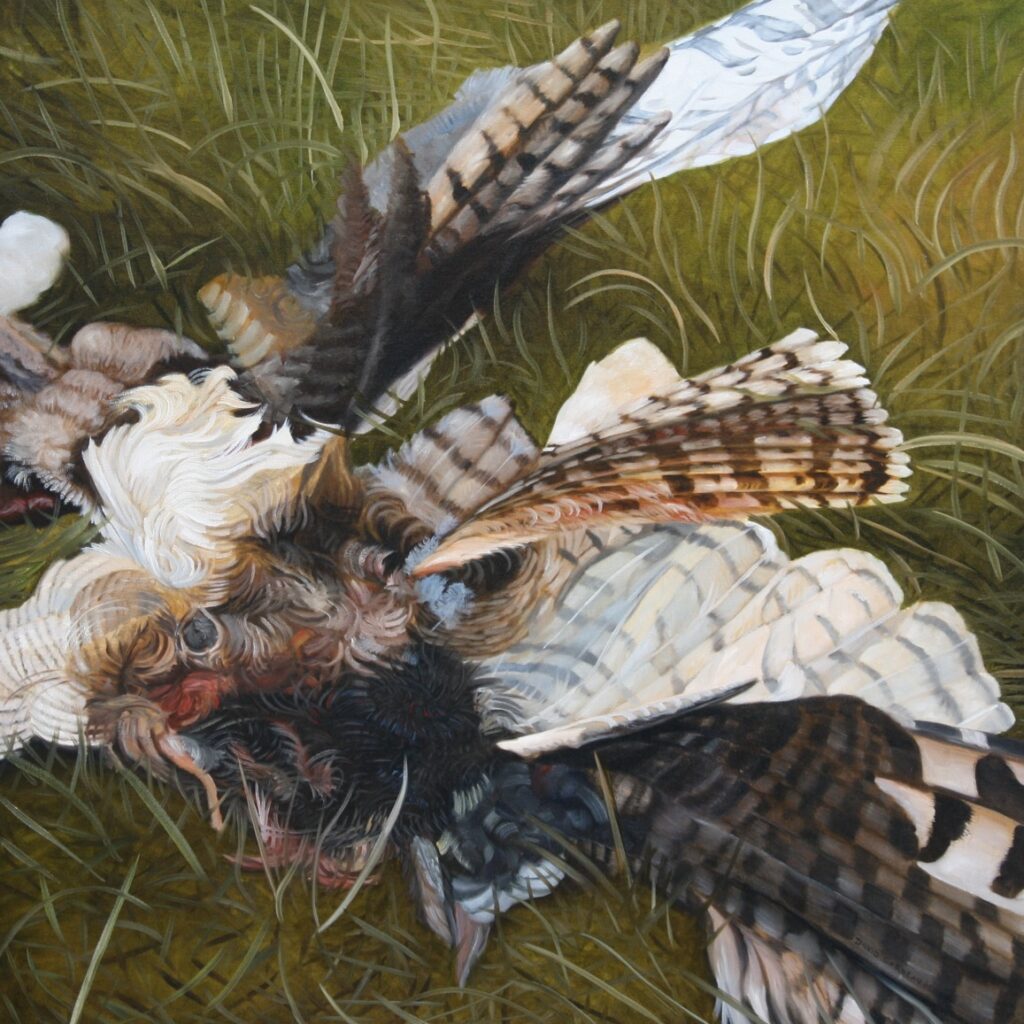
A hawk wheels above the ditch. The evening air is hot, the sky clear. Detecting delicate movement in the grass, its glide collapses into a sudden drop. Predator angles toward prey. Meters before impact, as it shoots across the asphalt, a van intersects its flight path. Flesh and fender, nature and culture collide. The ruined body caroms into the margin. Later, crows, flies, ants and others soon share in its reduction by particles. The day continues unconsciously.

Remembering Moving Forward, Never Forgetting

Remembering Moving Forward, Never Forgetting

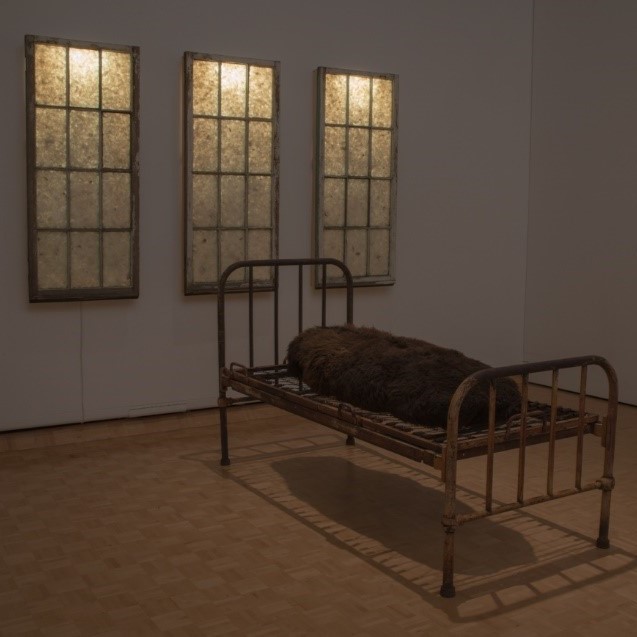
A small room in a large gallery houses a rusty bed frame, three decrepit windows and ghosts. As a young man, Adrian Stimson salvaged these relics from the Old Sun Indian Residential School during its renovation and repurposing. He wasn’t sure why they needed saving; he just knew they did. It was only decades later, after he became an artist, that he found new life for these haunted objects. The Siksika artist altered the artifacts to create a memorial, Sick and Tired (2004).

Necessacry Objects

Necessacry Objects

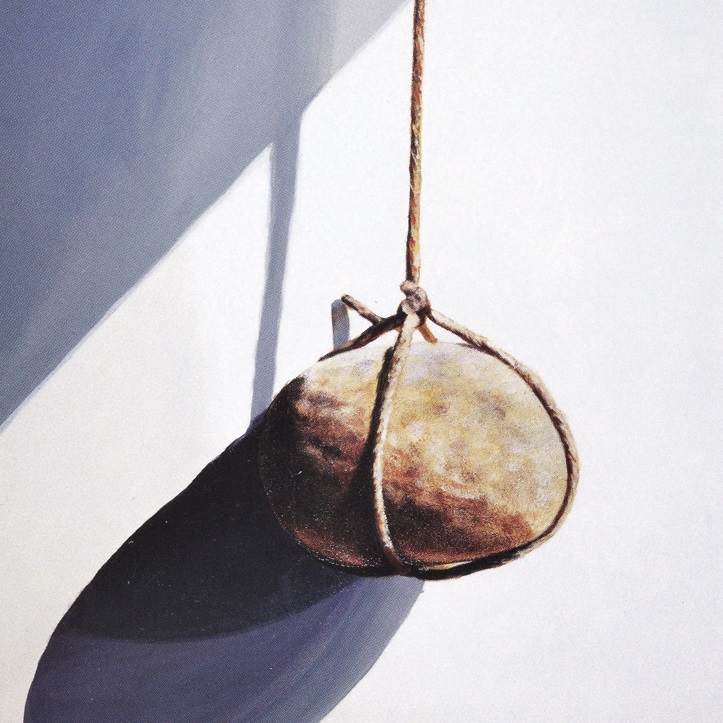
I have a love-hate relationship with painting. I grew up in Edmonton, which in the '60s and '70s was sieged by non-objective artists. I couldn't relate to that kind of work. Formalist, non-objective painting and sculpture still give me trouble. Those artists seemed more interested in avoiding the world rather than engaging and re-visioning it. However, as a Métis person, learning realistic or representational Western oil painting seems like a colonial activity. So I feel caught in the middle. I want to make work that is legible, rather than something that's merely for pleasure, escape, or is in a code known only to the community it rises from. My compromise is this new body of work: realist, still-life paintings coded with Indigenous meanings.

Extra-Rational Indigenous Performance: Dear John; Louis David Riel

Extra-Rational Indigenous Performance: Dear John; Louis David Riel

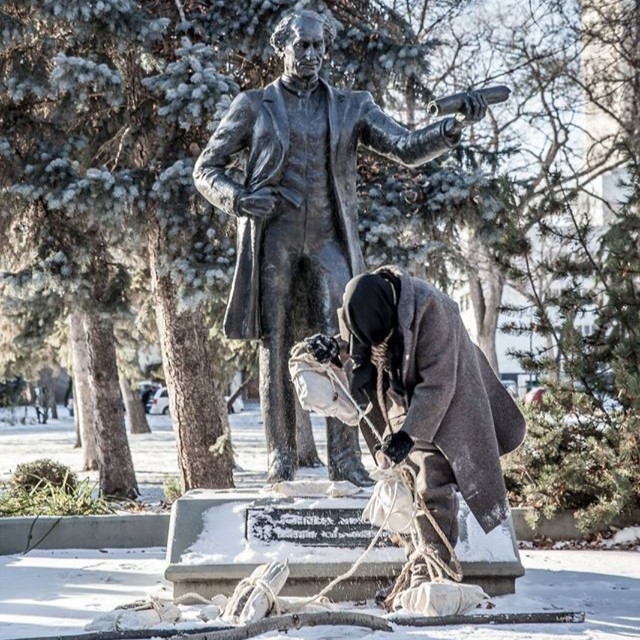
On a freezing winter afternoon in Regina’s Victoria Park, about fifty people gather at a sculpture of John A. Macdonald (1815-1891). Macdonald was Canada’s first Prime Minister. He also stewarded policies designed to subdue and aggressively assimilate the original inhabitants of Northern Turtle Island. These measures included: reserves; Pass laws restricting First Nations travel, trade, and political organizing; the Indian Act, which among other things, outlawed traditional cultural, spiritual, legal, and governance practices; and Indian Residential Schools, which separated children from their families, land, and languages, and were meant to extinguish Indigenous ways of being and knowing, and eventually title, from future generations.

Becoming a Métis Artist

Becoming a Métis Artist

What is Métis art? I have called myself a Métis artist with confidence for only about twenty years. I’m fifty-seven. Before that, I just considered myself an artist, which I figured meant being creatively free. I saw art as an oasis, separate from the routine world. My art world consisted of an apartment studio, galleries, artist-run centres, art books and magazines, and other artists. Then it included art school.

MAKING IT LIKE A MAN!

MAKING IT LIKE A MAN!

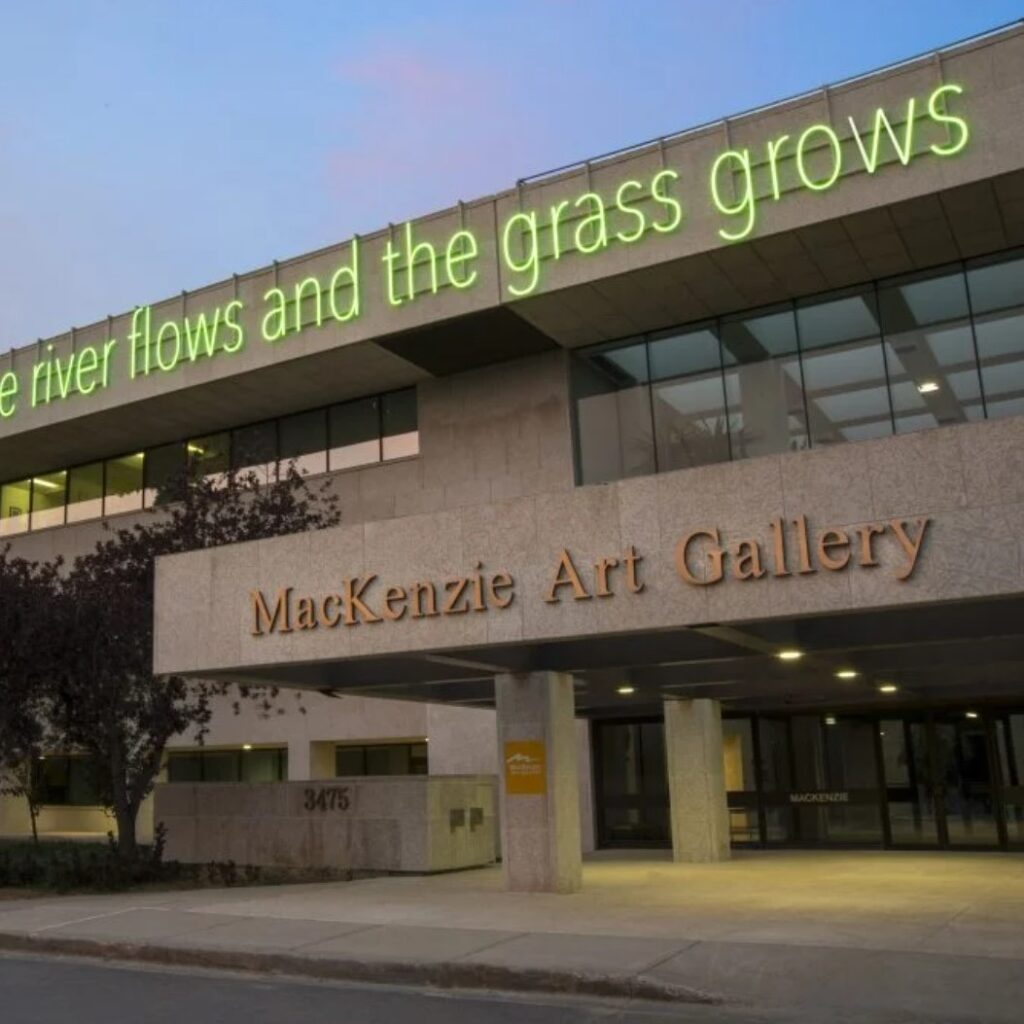
Making it Like a Man! is the exhibition I curated for the Mackenzie Art Gallery to accompany the conference of the same name. These paintings, sculptures, photographs, and prints by a dozen male artists were selected from eighty submissions and forty studio visits in six provinces. No exhibition of contemporary Canadian masculinities can be exhaustive, only provocative. My intent was to survey the scene as deeply as time and budget allowed and present a sampling. The more than eighty works range from self-conscious interrogations of masculinity to more performative expressions. All provide insights. This text is condensed revision of the exhibition essay.

Another Roadside Abstraction

Another Roadside Abstraction

The road has played an important role in the development of North American culture. As it extends beyond the horizon, the road seduces us with its unique brand of freedom toward the experience of other cultures, and the thrilling panoramas of new landscapes.

Riel Coin

Riel Coin

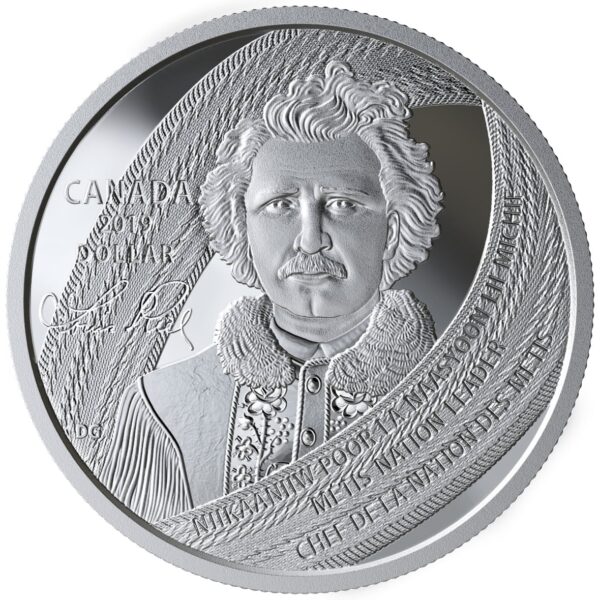
Garneau, an artist and professor of visual arts at the University of Regina, designed the silver collector coin celebrating the Métis leader who founded Manitoba. He said being at the ceremony among Métis dignitaries brought home the need for some kind of nation-to-nation recognition. The coin was launched on the 175th anniversary of Riel’s birth.